







Search Results for: Boma Plateau

A Complete Guide to Sudan Rume Coffee Beans: Origin, History, Flavor Profile, and Breeding Value
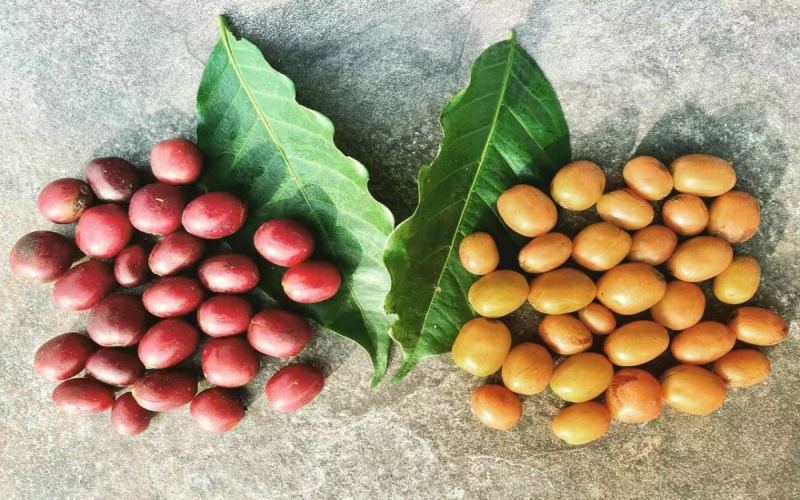
Sudan Rume is an ancient coffee variety with extremely low yield yet outstanding flavor, which shot to fame after being selected by the 2015 WBC champion. It originated in the border region between the Boma Plateau and the Rume Valley in Africa, was only formally documented in the 1940s, and has long been used as a hybrid father plant since then. Front Street Coffee once tasted a washed Sudan Rume batch from Costa Rica, and its bright acidity and juicy mouthfeel reminiscent of lemon and plum were deeply impressive. This article will outline this rare variety's historical origins, plant characteristics, flavor performance, and important position in modern breeding. [more…]

Rume Sudan, an ancient and delicious coffee variety.
In the World Barista Championship (WBC) in 2015, the competitor from Australia, Sasa Sestic, won the championship of that year with a Sudan Rume coffee that carried a gentle flower fragrance, the sweet and fresh juice, and the lemon grass aroma, succ [more…]
Kenya Boma Washing Station Red Currant Coffee Beans: A Full Analysis of Origin Terroir, Processing, and Cupping & Brewing
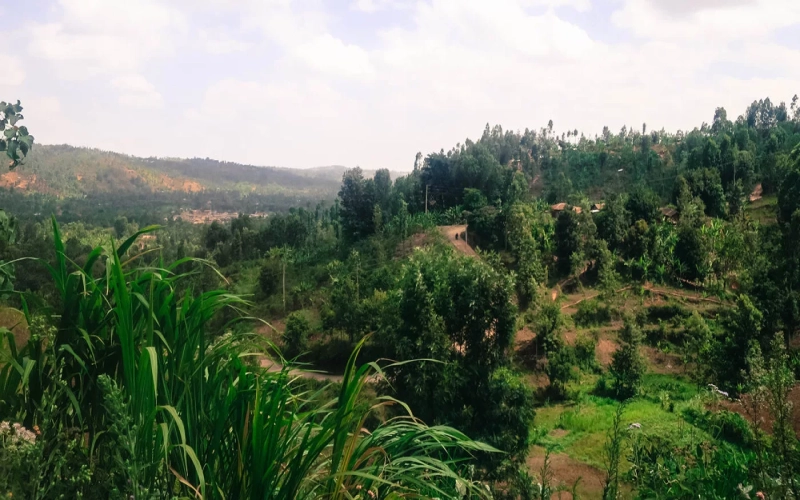
The Boma washing station in Kericho, Kenya, is located in a mountainous area at an altitude of 1,700 to 1,800 meters, belongs to the Kipkellion Cooperative, and has more than 600 farmer members. The SL28, SL34, and Batian varieties grown here, after a unique dry fermentation washed process, display a complex flavor profile of lemon, cranberry, caramel, and green tea. This Kenyan Cranberry coffee bean from Front Street Coffee, AB grade, presents in cupping a bright acidity of cherry tomato, plum, and lemon, with the sweetness of honey and berries interwoven and a full body. This article will guide you through the terroir conditions, processing flow, and variety characteristics of the Boma washing station, and share the brewing parameters and staged extraction suggestions given by Front Street Coffee's roaster for this bean. [more…]
Exploring Colombia's Finca El Mirador: A Journey to the Origins of Sudan Rume and Geisha Specialty Coffee
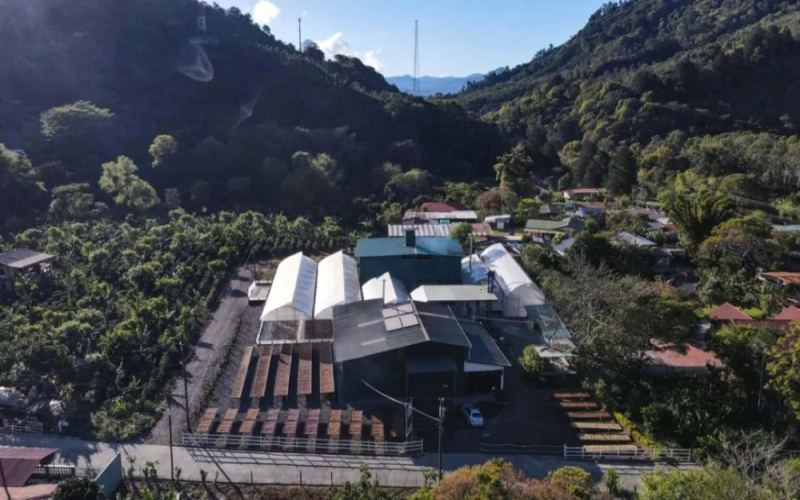
In the high-altitude mountains of Costa Rica, Cloud Mist Estate, with its unique terroir and meticulous processing methods, nurtures top-tier coffee varieties such as Geisha and Sudan Rume. This article will take you deep into the natural advantages of the Los Santos region, analyze the varietal origins of Geisha and Sudan Rume, and share brewing suggestions from Front Street Coffee. From historical context to processing techniques, from varietal characteristics to pour-over parameters, it presents the fascinating world of specialty coffee in every aspect. [more…]
An Interpretation of Costa Rica's Coffee Grading System and a Flavor Analysis of the Musician Series Mozart
Costa Rica, as a major coffee powerhouse in Central America, has long drawn attention for its grading system and regional characteristics. This article begins with a Mozart coffee bean recommended by Front Street Coffee, providing a detailed introduction to the Tarrazú region, the Canet estate, and the H1 variety, while offering an in-depth analysis of the complex flavors brought by the raisin honey process. Mozart coffee features interwoven floral notes and fermented sauce-like aromas, accompanied by the sweetness of raisins and dried fruit and the acidity of star fruit and berries, retaining its elegant aroma even after cooling. Whether you are new to specialty coffee or a seasoned enthusiast, you will gain a complete understanding of Costa Rican coffee grades and flavors. [more…]
Arabica Coffee Beans Explained: The Origin, Spread History, Growing Conditions, and Taxonomic Evolution of Coffea arabica
Coffea arabica, commonly known as Arabica coffee beans, is the most traditional and most important variety in the Coffea genus. It originated in East Africa and was long monopolized by the Arab world before the 15th century, hence the name "Arabian coffee." At the end of the 19th century, a large-scale disease outbreak prompted growers to seek disease-resistant alternative varieties, but Coffea arabica still accounts for about three-quarters of global coffee production today, mainly grown in Latin America, with Brazil becoming the largest producer thanks to its suitable terroir. This article will systematically sort out the core knowledge framework of Coffea arabica, from historical legends and plant habits to taxonomic changes, and take you to rediscover this familiar bean. [more…]

Where in Costa Rica is Front Street Bahia coffee produced? Why does raisin honey processing bring high sweetness?
Front Street Musician Series Bach is a coffee bean from the Tarrazú region of Costa Rica, processed using the raisin honey method, showcasing rich fruity aromas of strawberry, blackberry, and raisin with a wine-like fermented charm. This article will start from the origin information, processing techniques, flavor performance, and products in the same series to analyze the source of sweetness in Bach coffee beans, and introduce the technical characteristics of raisin honey processing, as well as the H1 variety and anaerobic honey processing technique used in the 2020 new crop season of Front Street Mozart. [more…]
Panama Geisha Coffee Bean Variety Analysis: A Detailed Explanation of Hacienda La Esmeralda's Red, Green, and Blue Label Grades and Flavor Differences
Geisha coffee beans have long been regarded as the pinnacle of the specialty coffee world, and the Geisha produced by Panama's Hacienda La Esmeralda is the benchmark among them. This article provides a detailed overview of Hacienda La Esmeralda's history, the origin and spread of the Geisha variety, and the grading standards, altitude ranges, flavor characteristics, and market positioning of the three grades: Red Label, Green Label, and Blue Label. It also introduces Hacienda La Esmeralda's special status in the coffee auction world, helping coffee enthusiasts fully understand the grading system and flavor differences of this legendary variety. The article also includes a related share from the Front Street brand. [more…]
A Complete Analysis of the Origin and Raisin Honey Processing Flavor Characteristics of Costa Rica Musician Series Bach Coffee Beans
The Bach coffee beans in Front Street Coffee's Musician series come from the Tarrazú region of Costa Rica and are processed using the raisin honey method, displaying rich fruity aromas of strawberry, blackberry, and raisin. The first sip is intensely sweet and tart, with a tipsy, red-wine-like bouquet in the middle and finish, while the candied sweetness and plum wine notes become even more pronounced as the cup cools. This article will explain in detail Bach's origin information, the process flow and flavor advantages of the raisin honey treatment, and introduce the processing methods and brewing suggestions for the Mozart and Strawberry Candy · Geisha blend in the same series. It will also analyze the H1 hybrid variety used in the 2020 new-crop Mozart and its anaerobic honey treatment characteristics. [more…]
Analysis of Costa Rican Coffee Varieties: Cultivation Characteristics and Origins of Villa Sarchi, H1, and Obata
Costa Rica is renowned worldwide for its high-quality Arabica coffee. Although its total production is limited, the country strictly guarantees coffee quality through legislation, making it the only country in the world that prohibits the cultivation of non-Arabica varieties. Initially, Caturra and Catuai were the main varieties, but the threat of leaf rust prompted Costa Rica to introduce and develop more new varieties. Today, in addition to Caturra and Catuai, varieties such as Villa Sarchi, H1, and Obata are gradually emerging. Front Street Coffee's entry-level selection series, Costa Rica Tarrazu coffee beans, uses Caturra and Catuai. After washed processing, they carry a slight fruity acidity, with flavors of sweet orange, nuts, and honey, and a smooth lingering sweetness. This article will provide a detailed introduction to the origins, characteristics, and cultivation performance of these varieties. [more…]
Costa Rica Tarrazú Highlands: A Comprehensive Analysis of the H1 Hybrid Variety and Canet Estate's Musician Series Mozart
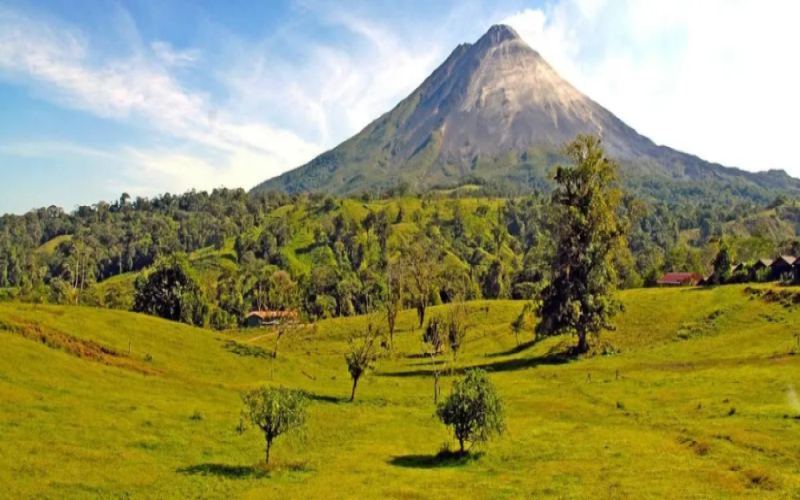
Costa Rica, with its high-altitude volcanic terrain and abundant rainfall, has become a representative producer of premium coffee in Central America. Among its regions, the Tarrazú area is renowned for its bright acidity and floral-fruity aromas, and the Canet Estate, located at the highest altitude within this region, has drawn much attention for its Musician Series coffee beans. This article will walk you through Costa Rica's coffee-growing background, the terroir conditions of the Tarrazú region, the Canet Estate's family operation and the origin of the Musician Series naming, along with an in-depth analysis of the unique raisin honey processing method and H1, a new variety bred from a cross between Sarchimor and Rume Sudan. Front Street Coffee has now released two beans, Front Street Mozart and Front Street Bach, offering enthusiasts a chance to taste them. [more…]
A Comprehensive Analysis of Costa Rican Coffee Varieties: From Bourbon and Caturra to the H1 Hybrid Newcomer
Although Costa Rica is a small country, it has become the world's 14th largest coffee producer thanks to its volcanic soil and forest resources. Since coffee was introduced in the 19th century, the country has continuously promoted variety improvement. In addition to the common Caturra, Catuai, and Bourbon, it has also developed emerging varieties such as Villa Sarchi, Venecia, and H1. This article will sort through the origins, characteristics, and flavor profiles of these varieties one by one, and bring corresponding bean recommendations from Front Street Coffee, helping coffee lovers gain a comprehensive understanding of Costa Rica's variety landscape. [more…]
Is Indonesian Mandheling an Arabica? An Analysis of the Differences Between Mandheling Coffee Beans and Arabica and Their Flavor Characteristics
Mandheling coffee is known for its full-bodied mouthfeel and herbal, dark chocolate flavors, but many people new to specialty coffee mistake it for Robusta because of its intense taste. In fact, Mandheling is an Arabica coffee from northern Sumatra, and its name comes from the local Mandailing people. Front Street Coffee currently offers several products, including Lintong, Aged, Golden, Wahana natural, and Tiger Mandheling, most of which are Typica variety, while Golden Mandheling has switched to the local Indonesian Catimor variety known as ateng. This article will sort out Mandheling's bean variety classification, its relationship with Arabica, regional differences, its unique wet-hulling processing method, and include Front Street Coffee's brewing suggestions and Golden Mandheling flavor description to help readers fully understand this Indonesian coffee. [more…]

The Story Behind Mozart Coffee: Flavor Interpretation of Costa Rica's Canet Estate and the H1 Variety
Costa Rica is renowned for its honey processing and the Tarrazú region, while Mozart coffee comes from the Canet Estate, whose owners love classical music; it is named after the musician, uses raisin honey processing, and the variety is H1. This article provides a complete overview of this specially processed coffee—from the history of Costa Rican coffee development, regional terroir, and the background of the Canet Estate, to honey processing techniques and Mozart coffee's flavor and brewing suggestions—while preserving Front Street's practical views on washed Tarrazú, fresh roasting, and brewing parameters. [more…]
Costa Rica Musician Series Mozart Coffee: Flavor Characteristics and Analysis of Two Processing Methods
Black coffee is not limited to bitterness alone; it represents a pure beverage that presents coffee's true flavor without embellishment. Different producing regions give coffee distinctly different characters: the floral and citric acidity of Ethiopia, the soft fruit acidity of Colombia, the nutty caramel of Brazil, and the citrus and tropical fruit notes of Panama. The Costa Rica Musician Series launched by Front Street Coffee is a classic work named after classical musicians. This article focuses on Front Street Mozart coffee, from its origin at Canet Estate and the H1 variety, to the differences between raisin honey processing and anaerobic honey processing, and then to brewing parameters and flavor performance, to give you a complete understanding of this coffee with outstanding sweetness and exceptional floral and fruit aromas. [more…]
Why Does Costa Rican Honey-Processed Coffee Have Such Outstanding Sweetness? Uncovering the Regions, Varieties, Processing Methods, and Import Situation
Costa Rican honey-processed coffee has long been celebrated for its honey-like sweetness, and Front Street Coffee has featured it as a signature pour-over since 2013. Although this Central American country is not the largest producer, its legally mandated cultivation of Arabica, its blessed volcanic soil and high-altitude growing regions, and its masterful honey-processing techniques combine to create elegant, sweet coffee flavors. From Front Street's perspective, this article systematically reviews Costa Rica's producing regions, common varieties, processing methods such as honey processing and raisin anaerobic honey processing, and recommends several representative coffee beans including the Musician Series, Fire Phoenix Sapphire, Rume Sudan, and Geisha. [more…]
An Analysis of the Pour-Over Flavor and Mouthfeel Characteristics of Costa Rican Geisha and Mirazu Natural Process Beans
Costa Rica is renowned worldwide for its honey-sweet coffee flavors, and its honey processing technique is regarded as the industry benchmark. Since its founding in 2013, Front Street Coffee has introduced Costa Rican beans, which remain a signature choice for coffee lovers with a sweet tooth. This article systematically reviews Costa Rica's eight major producing regions, main coffee varieties, processing methods such as honey processing and raisin anaerobic honey processing, and highlights Front Street selected beans including the Mirazu Estate sun-dried Geisha and the Musician Series, taking you through a comprehensive understanding of the flavor code of this Central American coffee powerhouse. [more…]
Laos Coffee: The Hidden Producing Region of Indochina and the Cultivation Potential of the Bolaven Plateau
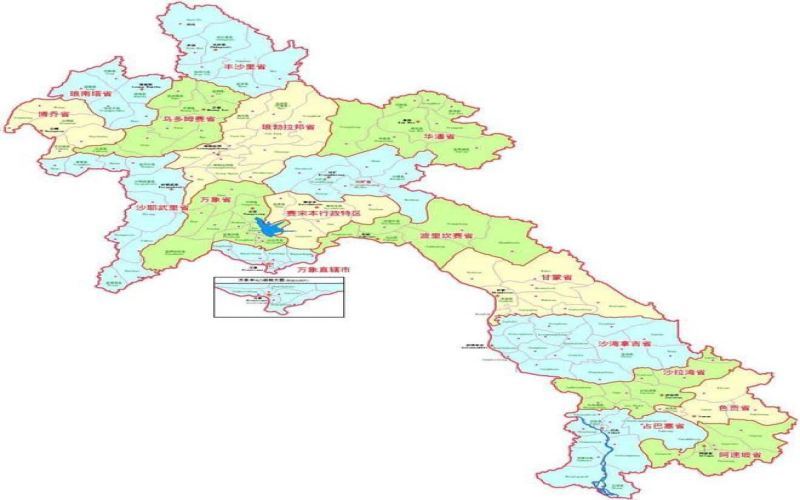
When mentioning Asian coffee, most people first think of Indonesia's Mandheling or Vietnam's massive output, while Laos, an inland country on the Indochinese Peninsula, is often overlooked. Laos has high altitudes, mineral-rich volcanic soil, and abundant rainfall, making it a natural treasure for coffee cultivation. Its coffee history dates back to the French colonial period, and after weathering wars and policy upheavals, it has gradually revived in recent years. Currently, 95% of Laos's coffee beans come from the Bolaven Plateau, with Arabica accounting for one-third of production, mainly exported to Vietnam, Thailand, and China. Laotian coffee is primarily grown by small family farmers, with a mild, smooth flavor and moderate acidity, and Front Street Coffee has also noticed the unique potential of this producing region. [more…]
Overview of Laos's Coffee Industry: Varieties Cultivated and Production Regions on the Bolaven Plateau
In the Asian coffee landscape, Indonesia's Mandheling and Vietnam's massive output often dominate the conversation, while Laos, a landlocked country in Indochina, is frequently overlooked. In fact, Laos possesses exceptional natural conditions—high-altitude plateaus, abundant rainfall, and volcanic soil—and coffee cultivation began there as early as the French colonial period. Today, the Bolaven Plateau accounts for about 95% of the country's coffee production, with Robusta as the dominant variety and Arabica making up roughly one-third. This article will guide you through the historical development, geographical advantages, growing regions, and current state of the coffee industry in Laos, along with recommendation information from Front Street Coffee. [more…]
An Inland Gem of the Indochinese Peninsula: The Complete Story of Lao Coffee from Colonial Introduction to Modern Production Regions
In the Asian coffee landscape, Indonesia's Mandheling and Vietnam's massive output often dominate the conversation, while the coffee story of landlocked Laos is rarely mentioned. This country, bordering China, Vietnam, and Thailand, nurtures a mild and smooth coffee flavor thanks to the high altitude, abundant rainfall, and volcanic soil of the Bolaven Plateau. From the introduction of Typica and Bourbon during the French colonial period, to the shift toward Robusta after war and disease, and now to a diverse landscape where Arabica accounts for one-third, Lao coffee has weathered a century of ups and downs. This article will walk you through the historical trajectory, core production regions, and current state of the Lao coffee industry, along with relevant recommendations from the Front Street brand. [more…]